

































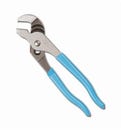
 Channellock® 426 Tongue and Groove Plier, 7/8 in Nominal, 3/4 in L C1080 High Carbon Steel Straight Jaw, 6-1/2 in OAL
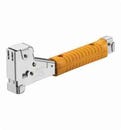 Arrow™ HT50 Professional Heavy Duty Tomahawk Hammer Tacker, Flat Crown Staple
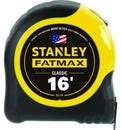 Stanley® 33-716 FatMax® Reinforced Tape Rule with BladeArmor®, 16 ft L x 1-1/4 in W Blade, Mylar® Polyester Film Blade
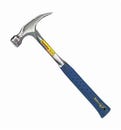 Estwing® E324S Framing Hammer, 16 in OAL, Smooth Surface, 24 oz Steel Head, Straight Claw, Steel Handle
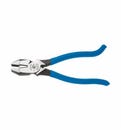 Klein® D2000-9ST 2000 Heavy Duty Rebar Work Cutting Plier, 9-3/8 in OAL
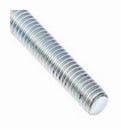 BBI® 777037 All Threaded Rod, 3/8-16, 12 ft OAL, Steel Alloy
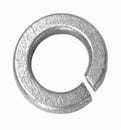 BBI® 754072 Medium Split Lock Washer, 1/2 in Nominal, 18-8 SS
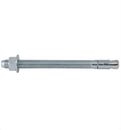 DeWALT® Power-Stud®+ Powers® 7449SD1-PWR Expansion Wedge Anchor, 3/4 in dia, 10 in OAL, 7-1/2 in L Thread, Carbon Steel, Zinc Plated
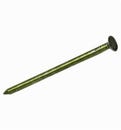 Primesource® 8CTDSKR Sinker Nail, 17/64 in, 2-3/8 in L, 9 ga, Vinyl Coated, Smooth Shank
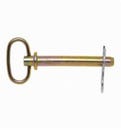 Campbell® T3899724 Hitch Pin, 1/2 in dia, 4-1/4 in L Usable, Forged Steel, Zinc Plated with Yellow Chromate, 5 Grade
-
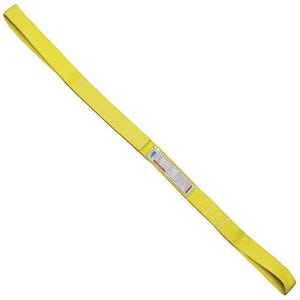
![HSI® Nylon Sling, Eye and Eye Type 3, Two Ply, 2 in Web Width, 6 ft Length, 6,400 lb Vertical Capacity]() HSI® Nylon Sling, Eye and Eye Type 3, Two Ply, 2 in Web Width, 6 ft Length, 6,400 lb Vertical Capacity HSI#: EE2-802-06In stock$41.97$41.97
HSI® Nylon Sling, Eye and Eye Type 3, Two Ply, 2 in Web Width, 6 ft Length, 6,400 lb Vertical Capacity HSI#: EE2-802-06In stock$41.97$41.97 -
![HSI Nylon Lifting Sling, Type 3 Eye and Eye]() HSI® Nylon Sling, Eye and Eye Type 3, Two Ply, 2 in Web Width, 8 ft Length, 6,400 lb Vertical Capacity HSI#: EE2-802-08In stock$51.35$51.35
HSI® Nylon Sling, Eye and Eye Type 3, Two Ply, 2 in Web Width, 8 ft Length, 6,400 lb Vertical Capacity HSI#: EE2-802-08In stock$51.35$51.35 -
![HSI Nylon Lifting Sling, Type 3 Eye and Eye]() HSI® Nylon Sling, Eye and Eye Type 3, Two Ply, 2 in Web Width, 10 ft Length, 6,400 lb Vertical Capacity HSI#: EE2-802-10In stock$60.72$60.72
HSI® Nylon Sling, Eye and Eye Type 3, Two Ply, 2 in Web Width, 10 ft Length, 6,400 lb Vertical Capacity HSI#: EE2-802-10In stock$60.72$60.72 -
![HSI Nylon Lifting Sling, Type 3 Eye and Eye]() HSI® Nylon Sling, Eye and Eye Type 3, Two Ply, 2 in Web Width, 12 ft Length, 6,400 lb Vertical Capacity HSI#: EE2-802-12In stock$70.10$70.10
HSI® Nylon Sling, Eye and Eye Type 3, Two Ply, 2 in Web Width, 12 ft Length, 6,400 lb Vertical Capacity HSI#: EE2-802-12In stock$70.10$70.10 -
![HSI Nylon Lifting Sling, Type 3 Eye and Eye]() HSI® Nylon Sling, Eye and Eye Type 3, Two Ply, 2 in Web Width, 4 ft Length, 6,400 lb Vertical Capacity HSI#: EE2-802-04In stock$32.60$32.60
HSI® Nylon Sling, Eye and Eye Type 3, Two Ply, 2 in Web Width, 4 ft Length, 6,400 lb Vertical Capacity HSI#: EE2-802-04In stock$32.60$32.60 -
![HSI Nylon Lifting Sling, Type 3 Eye and Eye]() HSI® Nylon Sling, Eye and Eye Type 3, Two Ply, 2 in Web Width, 20 ft Length, 6,400 lb Vertical Capacity HSI#: EE2-802-20In stock$107.60$107.60
HSI® Nylon Sling, Eye and Eye Type 3, Two Ply, 2 in Web Width, 20 ft Length, 6,400 lb Vertical Capacity HSI#: EE2-802-20In stock$107.60$107.60 -
![HSI® Nylon Sling, Eye and Eye Type 3, Two Ply, 1 in Web Width, 4 ft Length, 3,200 lb Vertical Capacity]() HSI® Nylon Sling, Eye and Eye Type 3, Two Ply, 1 in Web Width, 4 ft Length, 3,200 lb Vertical Capacity HSI#: EE2-801-04In stock$21.96$21.96
HSI® Nylon Sling, Eye and Eye Type 3, Two Ply, 1 in Web Width, 4 ft Length, 3,200 lb Vertical Capacity HSI#: EE2-801-04In stock$21.96$21.96 -
![HSI® Nylon Sling, Eye and Eye Type 3, Two Ply, 1 in Web Width, 6 ft Length, 3,200 lb Vertical Capacity]() HSI® Nylon Sling, Eye and Eye Type 3, Two Ply, 1 in Web Width, 6 ft Length, 3,200 lb Vertical Capacity HSI#: EE2-801-06In stock$27.15$27.15
HSI® Nylon Sling, Eye and Eye Type 3, Two Ply, 1 in Web Width, 6 ft Length, 3,200 lb Vertical Capacity HSI#: EE2-801-06In stock$27.15$27.15 -
![HSI® Nylon Sling, Eye and Eye Type 3, Two Ply, 1 in Web Width, 2 ft Length, 3,200 lb Vertical Capacity]() HSI® Nylon Sling, Eye and Eye Type 3, Two Ply, 1 in Web Width, 2 ft Length, 3,200 lb Vertical Capacity HSI#: EE2-801-02In stock$16.76$16.76
HSI® Nylon Sling, Eye and Eye Type 3, Two Ply, 1 in Web Width, 2 ft Length, 3,200 lb Vertical Capacity HSI#: EE2-801-02In stock$16.76$16.76 -
![HSI® Nylon Sling, Eye and Eye Type 3, Two Ply, 1 in Web Width, 8 ft Length, 3,200 lb Vertical Capacity]() HSI® Nylon Sling, Eye and Eye Type 3, Two Ply, 1 in Web Width, 8 ft Length, 3,200 lb Vertical Capacity HSI#: EE2-801-08In stock$32.35$32.35
HSI® Nylon Sling, Eye and Eye Type 3, Two Ply, 1 in Web Width, 8 ft Length, 3,200 lb Vertical Capacity HSI#: EE2-801-08In stock$32.35$32.35 -
![HSI® Nylon Sling, Eye and Eye Type 3, Two Ply, 1 in Web Width, 3 ft Length, 3,200 lb Vertical Capacity]() HSI® Nylon Sling, Eye and Eye Type 3, Two Ply, 1 in Web Width, 3 ft Length, 3,200 lb Vertical Capacity HSI#: EE2-801-03In stock$19.36$19.36
HSI® Nylon Sling, Eye and Eye Type 3, Two Ply, 1 in Web Width, 3 ft Length, 3,200 lb Vertical Capacity HSI#: EE2-801-03In stock$19.36$19.36 -
![HSI Nylon Lifting Sling, Type 3 Eye and Eye]() HSI® Nylon Sling, Eye and Eye Type 3, Two Ply, 2 in Web Width, 16 ft Length, 6,400 lb Vertical Capacity HSI#: EE2-802-16In stock$88.85$88.85
HSI® Nylon Sling, Eye and Eye Type 3, Two Ply, 2 in Web Width, 16 ft Length, 6,400 lb Vertical Capacity HSI#: EE2-802-16In stock$88.85$88.85 -
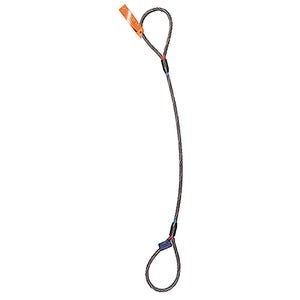
![HSI® Single Leg Wire Rope Sling, 1/2 in dia, 10 ft L, Eye and Eye Flemish Loop Ends, 2.5 ton Capacity]() HSI® Single Leg Wire Rope Sling, 1/2 in dia, 10 ft L, Eye and Eye Flemish Loop Ends, 2.5 ton Capacity HSI#: 105B1/2X-10In stock$47.24$47.24
HSI® Single Leg Wire Rope Sling, 1/2 in dia, 10 ft L, Eye and Eye Flemish Loop Ends, 2.5 ton Capacity HSI#: 105B1/2X-10In stock$47.24$47.24 -
![HSI Single Leg Wire Rope Sling, Flemish Loop Ends, Hanes Supply Inc.]() HSI® Single Leg Wire Rope Sling, 1/2 in dia, 8 ft L, Eye and Eye Flemish Loop Ends, 2.5 ton Capacity HSI#: 105B1/2X-08In stock$0.00$41.21
HSI® Single Leg Wire Rope Sling, 1/2 in dia, 8 ft L, Eye and Eye Flemish Loop Ends, 2.5 ton Capacity HSI#: 105B1/2X-08In stock$0.00$41.21 -
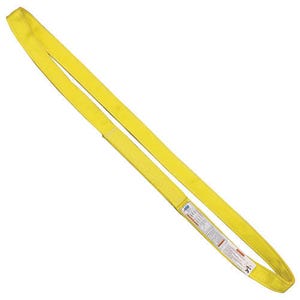
![HSI® Nylon Sling, Endless Type 5, One Ply, 1 in Web Width, 4 ft Length, 3,200 lb Vertical Capacity]() HSI® Nylon Sling, Endless Type 5, One Ply, 1 in Web Width, 4 ft Length, 3,200 lb Vertical Capacity HSI#: EN1-801-04In stock$18.23$18.23
HSI® Nylon Sling, Endless Type 5, One Ply, 1 in Web Width, 4 ft Length, 3,200 lb Vertical Capacity HSI#: EN1-801-04In stock$18.23$18.23 -
![HSI Single Leg Wire Rope Sling, Flemish Loop Ends, Hanes Supply Inc.]() HSI® Single Leg Wire Rope Sling, 3/8 in dia, 8 ft L, Eye and Eye Flemish Loop Ends, 1.4 ton Capacity HSI#: 105B3/8X-08In stock$32.30$32.30
HSI® Single Leg Wire Rope Sling, 3/8 in dia, 8 ft L, Eye and Eye Flemish Loop Ends, 1.4 ton Capacity HSI#: 105B3/8X-08In stock$32.30$32.30 -
![HSI Nylon Lifting Sling, Type 3 Eye and Eye]() HSI® Nylon Sling, Eye and Eye Type 3, Two Ply, 2 in Web Width, 2 ft Length, 6,400 lb Vertical Capacity HSI#: EE2-802-02In stock$23.22$23.22
HSI® Nylon Sling, Eye and Eye Type 3, Two Ply, 2 in Web Width, 2 ft Length, 6,400 lb Vertical Capacity HSI#: EE2-802-02In stock$23.22$23.22 -
![HSI® Nylon Sling, Endless Type 5, One Ply, 1 in Web Width, 6 ft Length, 3,200 lb Vertical Capacity]() HSI® Nylon Sling, Endless Type 5, One Ply, 1 in Web Width, 6 ft Length, 3,200 lb Vertical Capacity HSI#: EN1-801-06In stock$23.33$23.33
HSI® Nylon Sling, Endless Type 5, One Ply, 1 in Web Width, 6 ft Length, 3,200 lb Vertical Capacity HSI#: EN1-801-06In stock$23.33$23.33 -
![HSI Single Leg Wire Rope Sling, Flemish Loop Ends, Hanes Supply Inc.]() HSI® Single Leg Wire Rope Sling, 1/2 in dia, 6 ft L, Eye and Eye Flemish Loop Ends, 2.5 ton Capacity HSI#: 105B1/2X-06In stock$35.18$35.18
HSI® Single Leg Wire Rope Sling, 1/2 in dia, 6 ft L, Eye and Eye Flemish Loop Ends, 2.5 ton Capacity HSI#: 105B1/2X-06In stock$35.18$35.18 -
![HSI® Nylon Sling, Eye and Eye Type 3, Two Ply, 1 in Web Width, 10 ft Length, 3,200 lb Vertical Capacity]() HSI® Nylon Sling, Eye and Eye Type 3, Two Ply, 1 in Web Width, 10 ft Length, 3,200 lb Vertical Capacity HSI#: EE2-801-10In stock$37.54$37.54
HSI® Nylon Sling, Eye and Eye Type 3, Two Ply, 1 in Web Width, 10 ft Length, 3,200 lb Vertical Capacity HSI#: EE2-801-10In stock$37.54$37.54
The browser you are using is not compatible with our site. For a better experience on our website please use one of these browsers:
Google Chrome | Microsoft Edge | Mozilla Firefox | Apple Safari Update Browser
Google Chrome | Microsoft Edge | Mozilla Firefox | Apple Safari Update Browser
Toggle Nav

Questions? Give Us A Call

Rigging Solutions
HSI Services
Shop by brand
FEATURED BRANDS
Resources
About Us
- All Products
- Slings, Lifting & Rigging
- Fall Protection
- Construction Supply / Jobsite Ops
-
Safety & Security
-
Power Tools
-
Hand Tools
Featured Products
-
![Channellock® 426 Tongue and Groove Plier, 7/8 in Nominal, 3/4 in L C1080 High Carbon Steel Straight Jaw, 6-1/2 in OAL]() Channellock® 426 Tongue and Groove Plier, 7/8 in Nominal, 3/4 in L C1080 High Carbon Steel Straight Jaw, 6-1/2 in OAL
Channellock® 426 Tongue and Groove Plier, 7/8 in Nominal, 3/4 in L C1080 High Carbon Steel Straight Jaw, 6-1/2 in OAL
-
![Arrow™ HT50 Professional Heavy Duty Tomahawk Hammer Tacker, Flat Crown Staple]() Arrow™ HT50 Professional Heavy Duty Tomahawk Hammer Tacker, Flat Crown Staple
Arrow™ HT50 Professional Heavy Duty Tomahawk Hammer Tacker, Flat Crown Staple
-
![Stanley® 33-716 FatMax® Reinforced Tape Rule with BladeArmor®, 16 ft L x 1-1/4 in W Blade, Mylar® Polyester Film Blade]() Stanley® 33-716 FatMax® Reinforced Tape Rule with BladeArmor®, 16 ft L x 1-1/4 in W Blade, Mylar® Polyester Film Blade
Stanley® 33-716 FatMax® Reinforced Tape Rule with BladeArmor®, 16 ft L x 1-1/4 in W Blade, Mylar® Polyester Film Blade
-
![Estwing® E324S Framing Hammer, 16 in OAL, Smooth Surface, 24 oz Steel Head, Straight Claw, Steel Handle]() Estwing® E324S Framing Hammer, 16 in OAL, Smooth Surface, 24 oz Steel Head, Straight Claw, Steel Handle
Estwing® E324S Framing Hammer, 16 in OAL, Smooth Surface, 24 oz Steel Head, Straight Claw, Steel Handle
-
![Klein® D2000-9ST 2000 Heavy Duty Rebar Work Cutting Plier, 9-3/8 in OAL]() Klein® D2000-9ST 2000 Heavy Duty Rebar Work Cutting Plier, 9-3/8 in OAL
Klein® D2000-9ST 2000 Heavy Duty Rebar Work Cutting Plier, 9-3/8 in OAL
-
-
Material Handling, Hydraulics & Storage
- MRO Supplies
- Cutting Tools & Metalworking
- Abrasives
-
Fasteners & Hardware
Featured Products
-
![BBI® 777037 All Threaded Rod, 3/8-16, 12 ft OAL, Steel Alloy]() BBI® 777037 All Threaded Rod, 3/8-16, 12 ft OAL, Steel Alloy
BBI® 777037 All Threaded Rod, 3/8-16, 12 ft OAL, Steel Alloy
-
![BBI® 754072 Medium Split Lock Washer, 1/2 in Nominal, 18-8 SS]() BBI® 754072 Medium Split Lock Washer, 1/2 in Nominal, 18-8 SS
BBI® 754072 Medium Split Lock Washer, 1/2 in Nominal, 18-8 SS
-
![DeWALT® Power-Stud®+ Powers® 7449SD1-PWR Expansion Wedge Anchor, 3/4 in dia, 10 in OAL, 7-1/2 in L Thread, Carbon Steel, Zinc Plated]() DeWALT® Power-Stud®+ Powers® 7449SD1-PWR Expansion Wedge Anchor, 3/4 in dia, 10 in OAL, 7-1/2 in L Thread, Carbon Steel, Zinc Plated
DeWALT® Power-Stud®+ Powers® 7449SD1-PWR Expansion Wedge Anchor, 3/4 in dia, 10 in OAL, 7-1/2 in L Thread, Carbon Steel, Zinc Plated
-
![Primesource® 8CTDSKR Sinker Nail, 17/64 in, 2-3/8 in L, 9 ga, Vinyl Coated, Smooth Shank]() Primesource® 8CTDSKR Sinker Nail, 17/64 in, 2-3/8 in L, 9 ga, Vinyl Coated, Smooth Shank
Primesource® 8CTDSKR Sinker Nail, 17/64 in, 2-3/8 in L, 9 ga, Vinyl Coated, Smooth Shank
-
![Campbell® T3899724 Hitch Pin, 1/2 in dia, 4-1/4 in L Usable, Forged Steel, Zinc Plated with Yellow Chromate, 5 Grade]() Campbell® T3899724 Hitch Pin, 1/2 in dia, 4-1/4 in L Usable, Forged Steel, Zinc Plated with Yellow Chromate, 5 Grade
Campbell® T3899724 Hitch Pin, 1/2 in dia, 4-1/4 in L Usable, Forged Steel, Zinc Plated with Yellow Chromate, 5 Grade
-
Search
 Quick Order Pad