








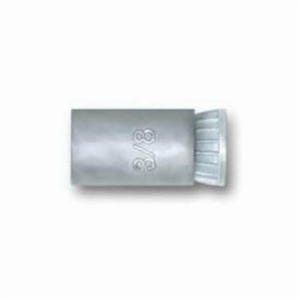
Mechanical anchors are a critical component in modern construction and industrial work, providing reliable fastening solutions for attaching structural elements, equipment, and assemblies to concrete, masonry, and wall systems. Whether used in permanent installations or temporary jobsite conditions, anchors must be selected and installed with a clear understanding of load requirements, base material conditions, and environmental exposure.
In professional applications, anchors are subjected to tension, shear, vibration, and, in some cases, dynamic loading. Improper anchor selection or installation can compromise structural integrity and jobsite safety. Industry best practices emphasize correct embedment depth, spacing, edge distance, and torque application to ensure anchors perform as intended throughout their service life.
Drive Pin Anchors
Fast, Hammer-Set Solutions for Light to Medium Duty Applications
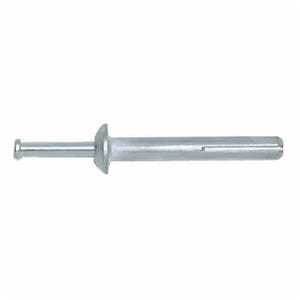
Drive pin anchors are designed for quick installation in solid base materials, typically concrete. These anchors are installed by drilling a pilot hole and driving the pin into place, thereby expanding the anchor body and developing holding strength.
They are commonly used to fasten electrical boxes, conduit straps, clips, and light framing components when speed and efficiency are essential. Drive pin anchors are frequently selected for repetitive installations where consistent placement is required, and load demands are moderate.
While these anchors offer rapid installation, they are generally intended for static, non-critical loads. Proper hole depth and alignment remain essential to ensure reliable performance and reduce the risk of pullout or loosening over time.
Drop-In Anchors
Flush-Mount Anchors for Overhead and High-Strength Connections
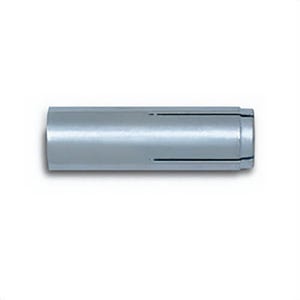
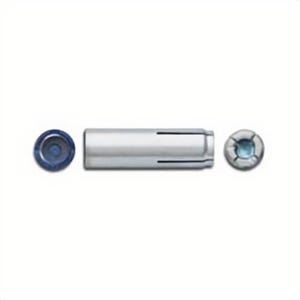
Drop-in anchors provide a flush-mounted anchoring solution for solid concrete applications. Once set, they allow threaded fasteners to be installed or removed as needed, making them suitable for overhead systems and suspended installations.
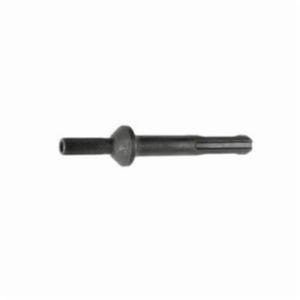
These anchors are commonly used to support piping, HVAC systems, cable trays, and mechanical supports. Proper installation requires an accurate hole diameter, thorough hole cleaning, and the correct setting tool to expand the anchor sleeve fully.
From a safety standpoint, overhead anchoring requires strict adherence to installation procedures. Incomplete expansion or debris left in the hole can significantly reduce load capacity. In line with industry guidelines, installers should verify anchor engagement before applying load.
Screw Anchors
Thread-Forming Anchors for Concrete and Masonry
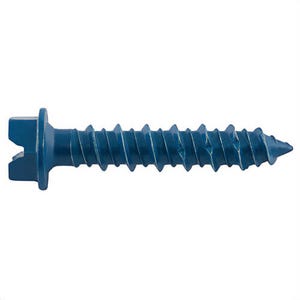
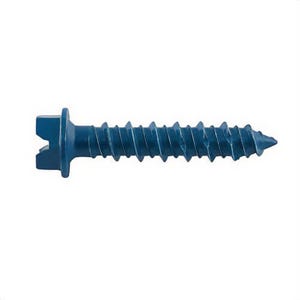
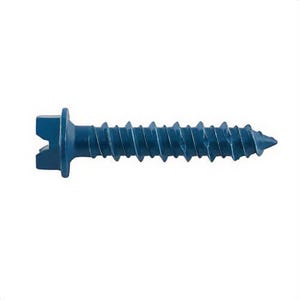
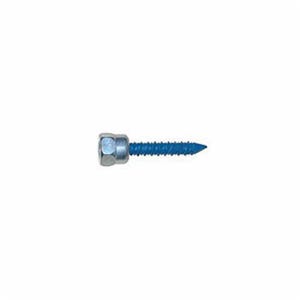
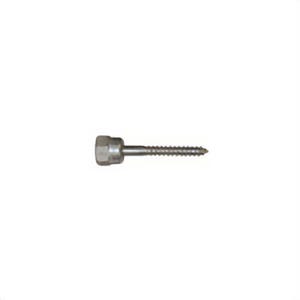
Screw anchors achieve holding strength by cutting threads into the base material as they are driven into a pre-drilled hole. This design provides high flexibility, including the ability to remove and reinstall anchors as needed.
They are frequently used to mount handrails, guard systems, temporary bracing, and equipment that may need adjustment or relocation. Screw anchors perform well in both concrete and masonry when installed to the proper embedment depth.
Controlling installation torque is critical to prevent over-tightening, which can strip threads or reduce holding strength. When installed correctly, screw anchors offer a reliable balance of strength, versatility, and efficiency on the jobsite.
Sleeve Anchors
Versatile Expansion Anchors for Mixed Base Materials
Sleeve anchors are designed to expand along the length of the anchor body, distributing load over a larger surface area. This makes them suitable for use in concrete, brick, and block, where base material consistency may vary.
Typical applications include fastening ledger boards, door frames, supports, and light structural steel. Their versatility makes them a practical choice for working across different substrates on the same project.
Because expansion occurs along the sleeve, proper hole sizing and embedment are essential. Installers should also account for edge distance and spacing to prevent cracking or localized failure in weaker masonry materials.
Wall Anchors
Anchoring Solutions for Hollow and Light-Duty Wall Systems
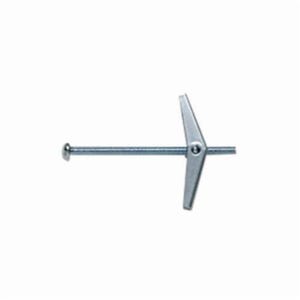
Wall anchors are engineered for use in hollow substrates such as drywall, plaster, and panel systems, where traditional mechanical anchors cannot engage solid material. These anchors rely on expansion, toggling, or bearing against the backside of the wall.
They are commonly used to mount fixtures, panels, and non-structural components. Load ratings for wall anchors are significantly lower than those for concrete anchors, and they should not be used for overhead lifting, rigging points, or structural support.
Professional installation requires awareness of wall thickness, cavity depth, and load direction. Proper anchor selection helps reduce the risk of wall failure or fastener pullout.
Wedge Anchors
High-Load Expansion Anchors for Structural Concrete
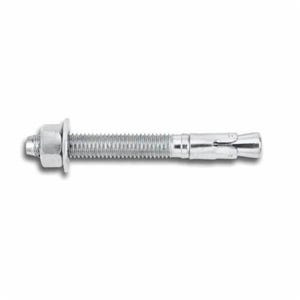
Wedge anchors are designed for high-strength anchoring in solid concrete. As the anchor is tightened, the expansion clip engages the concrete, forming a secure mechanical bond capable of supporting substantial loads.
These anchors are widely used to secure columns, base plates, structural steel, machinery, and equipment foundations. Because of their load-bearing role, the correct embedment depth, torque, and spacing are critical.
In professional environments, wedge anchors are often selected for applications where load paths are well-defined and long-term performance is required. Installation should follow manufacturer recommendations and established industry practices to ensure consistent results.
Anchor Selection Considerations for Professional Use
Selecting the appropriate anchor requires evaluating factors beyond fastener size. Key factors include expected load type, base material strength, thickness, and condition, as well as environmental exposure, such as moisture, temperature changes, or corrosive conditions.
Edge distance and anchor spacing are key to performance, particularly in concrete and masonry. Anchors installed too close to edges or too tightly grouped may compromise load capacity and increase the risk of cracking.
Installation Best Practices
Proper installation is essential to achieving anchor performance and long-term reliability. Even high-capacity anchors can fail to meet expectations if installation procedures are not followed carefully. In professional construction and rigging environments, consistent installation methods help ensure predictable load performance and jobsite safety.
Hole preparation is critical to anchor effectiveness. Holes must be drilled to the correct diameter and depth, then cleaned of dust and debris to allow proper expansion or thread engagement. Inadequate hole cleaning is a common cause of reduced holding strength.
Anchors must be installed to the specified embedment depth and tightened to the correct torque. Under-tightening can result in incomplete engagement, while over-tightening may damage the anchor or the surrounding base material. Maintaining proper edge distance and spacing is also critical to prevent cracking and loss of load capacity.
Environmental conditions, including moisture, temperature, and exposure, should be considered during installation, especially in outdoor or corrosive environments. Before placing anchors into service, installers should visually confirm proper seating and alignment. Periodic inspection helps identify loosening or base material issues over time, supporting long-term reliability.
Long-Term Performance and Maintenance
Anchors are often installed with the expectation of long-term service, but their performance can change over time due to load cycles, vibration, and environmental exposure. Even properly selected and installed anchors should be periodically evaluated to ensure they continue to meet the application's demands.
Routine inspections help identify early signs of loosening, corrosion, or movement in the base material. In concrete and masonry, cracking, spalling, or surface degradation around the anchor location can indicate changes in load distribution or material condition. In environments subject to moisture, chemicals, or temperature fluctuations, the anchor material and coatings should be assessed for compatibility with ongoing exposure.
When project conditions change, such as increased loading, equipment relocation, or system modifications, existing anchors should be reevaluated rather than assumed adequate. Replacing or upgrading anchors as needed supports long-term reliability, helps maintain jobsite safety, and aligns with best practices for professional construction and rigging.