





























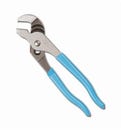
 Channellock® 426 Tongue and Groove Plier, 7/8 in Nominal, 3/4 in L C1080 High Carbon Steel Straight Jaw, 6-1/2 in OAL
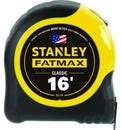 Stanley® 33-716 FatMax® Reinforced Tape Rule with BladeArmor®, 16 ft L x 1-1/4 in W Blade, Mylar® Polyester Film Blade
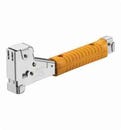 Arrow™ HT50 Professional Heavy Duty Tomahawk Hammer Tacker, Flat Crown Staple
 Mayhew™ 62065 X-Long Pin Punch Kit, Hex Shank, 9-1/2 in OAL, 5 Pcs
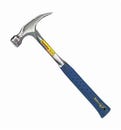 Estwing® E324S Framing Hammer, 16 in OAL, Smooth Surface, 24 oz Steel Head, Straight Claw, Steel Handle
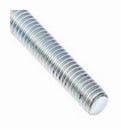 BBI® 777037 All Threaded Rod, 3/8-16, 12 ft OAL, Steel Alloy
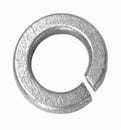 BBI® 754072 Medium Split Lock Washer, 1/2 in Nominal, 18-8 SS
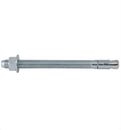 DeWALT® Power-Stud®+ Powers® 7449SD1-PWR Expansion Wedge Anchor, 3/4 in dia, 10 in OAL, 7-1/2 in L Thread, Carbon Steel, Zinc Plated
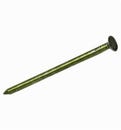 Primesource® 8CTDSKR Sinker Nail, 17/64 in, 2-3/8 in L, 9 ga, Vinyl Coated, Smooth Shank
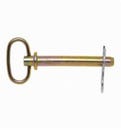 Campbell® T3899724 Hitch Pin, 1/2 in dia, 4-1/4 in L Usable, Forged Steel, Zinc Plated with Yellow Chromate, 5 Grade

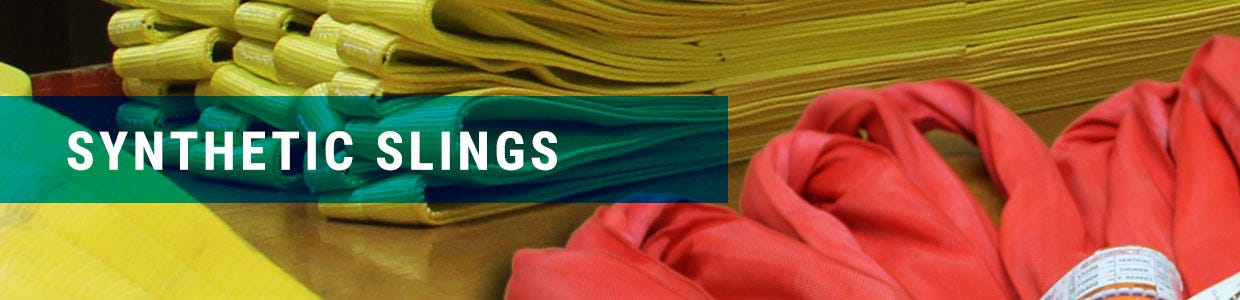
Nylon and Polyester Sling Information
At Hanes Supply, we manufacture custom Nylon Slings, Web Slings, Polyester Slings, Twin-Path® Slings and Slingmax® Slings. Make sure you know the use, load and conditions for the sling you need. OSHA standards demand that the rated capacity be noted on each sling. Never exceed rated capacities of a web sling.
Each HSI® sling has a tag that states the manufacturer, the type of material, rated capacities, type of sling, and length and width of the sling. Each HSI® Sling also has a warning tag about inspection and restrictions as to the web sling. Reading the facts about web slings should help you decide. If you have any questions, contact us or give us a call at 888-426-3755.
What is the Difference Between a Nylon Sling and a Polyester Sling?
Nylon Web Sling – Strong and Economical
Nylon is strong, lightweight and very flexible. It is highly resistant to alkalies, but should not be used in acid conditions. When treated for abrasion it has a stretch factor of 10%. Nylon can be used in temperatures up to 194°F.
Polyester Web – Less Stretch & Acid Resistant
Polyester webbing has become very valuable especially in applications that subject the sling to acid conditions. Also polyester slings are excellent where headroom is limited because of the webbing’s low stretch characteristics. Polyester can be used in temperatures up to 194°F.






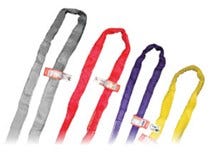 Unique Flexi-grip Sling construction produces outstanding handling and rigging characteristics. The sling body is exceptionally supple, conforms readily to uneven and oddly shaped loads during a lift. Additionally, the sling has a softness which provides a firm gripping action on e load, particularly when used as a choker. The 100% polyester construction also provides extremely low (3%) elongation at rated loading.