


































The Hanes Supply Blog

What Does a Spreader Bar Do?

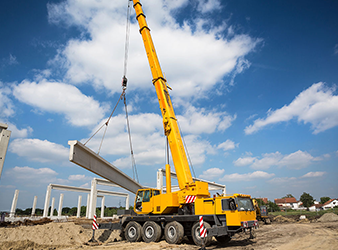
crane using spreader bar

You rely on precise load control during demanding lifts, and understanding how a spreader bar works helps you do so safely. This post explains how spreader bars distribute weight, reduce sling stress, and prevent load damage. You’ll learn the key differences from lifting beams, common configurations, and how to choose the right setup for your job. With clear insight into safety standards, inspection practices, and real-world applications, you can plan lifts with greater confidence and efficiency.

Read more

What Is a Self-Retracting Lifeline? Types, Uses, OSHA Rules

construction worker wearing safety harness

Learn what self-retracting lifelines (SRLs) are, how they work, and why they’re vital for fall protection. This article explains the different types of SRLs, where they are used, and the OSHA rules that cover them. Whether you work in construction, utilities, or general industry, you’ll gain practical insights on how to properly use SRLs, reduce fall risks, and improve overall jobsite safety with the right equipment.

Read more

What Are the Major Types of Rigging?

crane lifting heavy equipment

Discover and break down the major types of rigging used in construction and industrial lifting. You’ll understand the differences among wire rope, chain, and synthetic slings, how rigging hardware and lifting devices work together, and how hitch configurations affect load capacity. This overview helps you choose the right equipment, strengthen lift planning, and stay compliant on demanding jobsites.

Read more

Rigging Equipment Load Testing Guide

crane load testing using rigging equipment

Rigging equipment load testing is a critical step in ensuring your lifting gear performs safely under real-world conditions. You rely on slings, hoists, hooks, and custom lifting devices to handle heavy loads, and load testing verifies that the equipment can support its rated capacity without failure. By understanding when load testing is required, how proof tests are performed, and how results are documented, you reduce risk, support compliance, and protect your crew. Professional load testing gives you confidence that every lift is backed by verified performance and proper certification.

Read more

Choosing the Proper Wire Rope Cable Clamp for Rigging

wire rope secured using wire rope clamp
When assembling wire rope terminations, selecting the appropriate cable clamp is essential to maintain strength and safety. In this guide, you’ll learn how different clamp types perform, which materials withstand demanding environments best, and how to match each clamp to the load and application. You’ll also see how proper installation—spacing, torque, and inspection—directly impacts holding strength. By applying these principles, you can create secure, reliable wire rope connections on any jobsite.

Read more

How to Select the Proper Sheave for Your Rigging System

mobile crane hook block and rigging assembly

Choosing the right sheave is a crucial decision in any rigging setup. Learn how to match sheave diameter, groove profile, bearings, and load ratings to your rope and lifting environment. You’ll see how proper alignment, fleet angle control, and inspection practices directly impact rope lifespan and system efficiency. With adequate understanding, you can ensure safer, more effective lifting operations every time.

Read more

Choosing the Right Sandpaper Grit For The Job

assorted sanding discs and abrasive sheets on wood

When working on metal, wood, or paint prep, selecting the right sandpaper grit can determine your finish quality. This guide explains what grit numbers mean, how to interpret a sandpaper grit chart, and which abrasive types work best for your material and tools. You’ll learn how to choose the appropriate grit for each stage of your project—from heavy removal to final polishing—so you can work more efficiently, prolong abrasive lifespan, and achieve the professional finish your clients expect.

Read more

Key Differences Between Wire Rope and Cable

close-up view of steel rigging cables

When working with rigging or lifting equipment, it’s easy to confuse wire rope and cable. However, understanding the differences helps you make safer, smarter choices. Wire rope is stronger, more durable, and better suited for heavy-duty lifting, while cable provides flexibility and is ideal for lighter tension and control tasks. By knowing details like size, core type, construction, and performance, you’ll be better prepared to select the right product, avoid expensive mistakes, and keep your projects safe and efficient

Read more

Different Types of Turnbuckles & Their Usage

metal turnbuckle connected between chains for tension adjustment
Turnbuckles are vital rigging devices designed to regulate tension and length in cables, ropes, and structural assemblies. This comprehensive guide details turnbuckle components, body styles, and end fittings, ranging from common types such as jaw–jaw, eye–eye, and hook–eye to specialized closed-body and heavy-duty designs. Learn about materials, finishes, industry uses, installation methods, and safety tips. With the right choice, turnbuckles ensure reliable, precise tensioning for construction, marine, utility, and industrial projects.

Read more

What Does the 5:1 Rule in Rigging Refer To?

offshore workers guiding suspended cargo container on rig platform
The 5:1 rule in rigging refers to a safety factor that requires lifting gear to have a breaking strength five times higher than its working load limit. This built-in margin accounts for shock loading, wear, and human error, ensuring safe lifting operations across various industries. The rule is commonly applied to slings, shackles, hooks, and chain hoists. However, some applications—such as personnel lifting—demand even higher safety factors. This post explains how the 5:1 rule works, when it applies, and how to select the appropriate gear.

Read more